Virginia Attorney General cracks down on hemp producers, forcing hemp companies to move south.
Shelves in Hillsville, VA are emptying of delta 8 and other hemp products, and the reason is a policy shift out of the state Attorney General’s office. Jason Miyares has called for an abrupt halt on delta 8 sales, citing a rise in cannabis poisoning among children, even though Delta-8 THC is federally legal under the 2018 Farm Bill. Local hemp companies are already doing the math on relocating, warning that the jobs will follow the customers out of state.
Hillsville sits on rich land in a town that has never had much money, and residents who grew up there will tell you both things are true at once. Travis Wagoner, a native, thought hemp could close that gap. It worked for a while. As the owner of Virginia Cultivars he now faces the opposite problem: laying people off after the venture was cut out from under him.
“We went from having 17 employees working 50 hours a week to less than 10 employees working 30 hours a week,” said Wagoner.
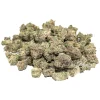
The operation runs off a single acre. From that hemp farm, Virginia Cultivars commercially extracts CBD, a non-psychoactive compound, from the low THC hemp plant and converts it into psychoactive Delta-8 THC. Delta 8 is federally legal and does get you high, but it occurs naturally in such small amounts in hemp and marijuana that chemical conversion from other cannabinoid compounds is the only way to produce it at commercial scale.
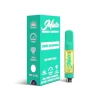
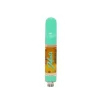
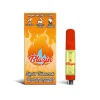
That oil ends up in edibles such as gummies or candies, all of it intended for adult use. Companies planning to be around in five years tend to label accordingly, with explicit warnings. The ones chasing a fast return often do not, and their packaging is neither clearly marked nor unappealing to children.
Delta-8 THC
“What we now see is an explosion of products that look very normal. They’d look like anything else you’d see at a grocery store,” said Virginia Attorney General Jason Miyares.
The legal footing came later than the legalization. After Virginia permitted delta 8 edibles, the state passed the Virginia Food and Drink Act, which allows the Attorney General to ban sales and distribute fines. Miyares reads that act as his mechanism for ending child-appealing packaging in the state.
The medical objection is about evidence rather than packaging. Dr. Christopher Holstege, leader of UVA’s poison control center, argues that there is a lack of research behind delta 8.
“So what we’ve seen with adults is things such as anxiety, seeing reality differently. rapid heart rate, blood pressures increasing,” Holstege said.
Patients tell a different story. Gene Linton, 74, lives near Hillsville and manages arthritis with one delta-8 THC infused gummy a day, which he says cuts his pain and tension in half within 30 to 40 minutes. He rates it above the pharmaceutical drugs he has tried.
Wagoner wants the Attorney General to reconsider, pointing out that his locally produced delta 8 products list ingredients and carry warnings on the labels, and arguing that he is being lumped in with companies operating to a lower standard.
KC Honaker, another hemp entrepreneur, lands somewhere in the middle.
“I think it’s good that the state’s looking at policies to protect the citizens and take care of those folks out there. But I think they should go out and talk to some of these manufacturers and really find out what’s in the products and what they do for people before they make the choice to get rid of them,” said Honaker.
For now the fines are landing on Virginia hemp companies distributing delta-8 infused goods, and the brands are responding the only way they can: looking at North Carolina and Tennessee, where the sales are still legal.