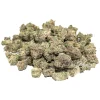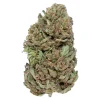
As New York opens its doors to legal cannabis businesses, law makers now face the issue of what to do with excess weed
Legalization solved one problem in New York and created another. Governor Andrew Cuomo signed recreational cannabis into law on March 31, 2021, and the state inherited a stockpile it now has to do something with: a billion-dollar weed mountain built up over years of some of the strictest drug enforcement in the country.
Those laws put a great many people in jail for nonviolent offenses, marijuana possession among them, and every one of those cases left physical evidence behind. Decades of seizures piled up in storage. The drug is legal now, the seizures are not coming back, and estimates put the surplus in the billion-dollar range.
A surplus nobody can easily sell
State officials now own the disposal question. The obvious answer is to build a market for it and let licensed growers and distributors buy and resell the excess. The obvious answer also carries the most risk.
Where the market solution breaks down
Flooding a young market drives prices down, and a price collapse costs the state the revenue legalization was supposed to generate. There is a second-order worry as well: anyone shut out of legal purchasing has an incentive to go back to the illicit market, which is exactly what legalization was meant to shrink.
Donation is the other route, either to medical research institutions or for medicinal use. Federal law gets in the way here. Marijuana remains illegal at the federal level, which makes it difficult for institutions to conduct research or use the drug for medical purposes.
The optimistic reading
Legalization advocates see an asset rather than a liability. Handled well, the value locked up in that surplus could fund education and healthcare programs, or seed small businesses and entrepreneurs trying to get a foothold in the cannabis industry.
The environmental cost of doing nothing
Disposal has a footprint too. Marijuana production consumes significant amounts of energy, water, and other resources, and simply discarding the excess wastes all of it while adding carbon emissions on top. Recycling or composting the surplus is the alternative some advocates are pushing for.
New York must act carefully to offset the low marijuana prices in order to maintain businesses
Whichever path the state picks, the weed mountain is a reminder that ending prohibition is not a single act of legislation. Undoing decades of criminalization creates practical problems that arrive long after the bill is signed, and each decision about the surplus ripples into prices, enforcement, and public trust.
The upside is still real: more revenue, new jobs, and fewer people prosecuted over nonviolent drug offenses. Getting there depends on whether New York can resolve the surplus in a way that is effective, sustainable, and equitable rather than merely expedient.