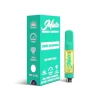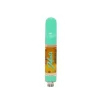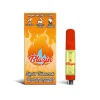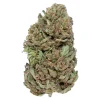
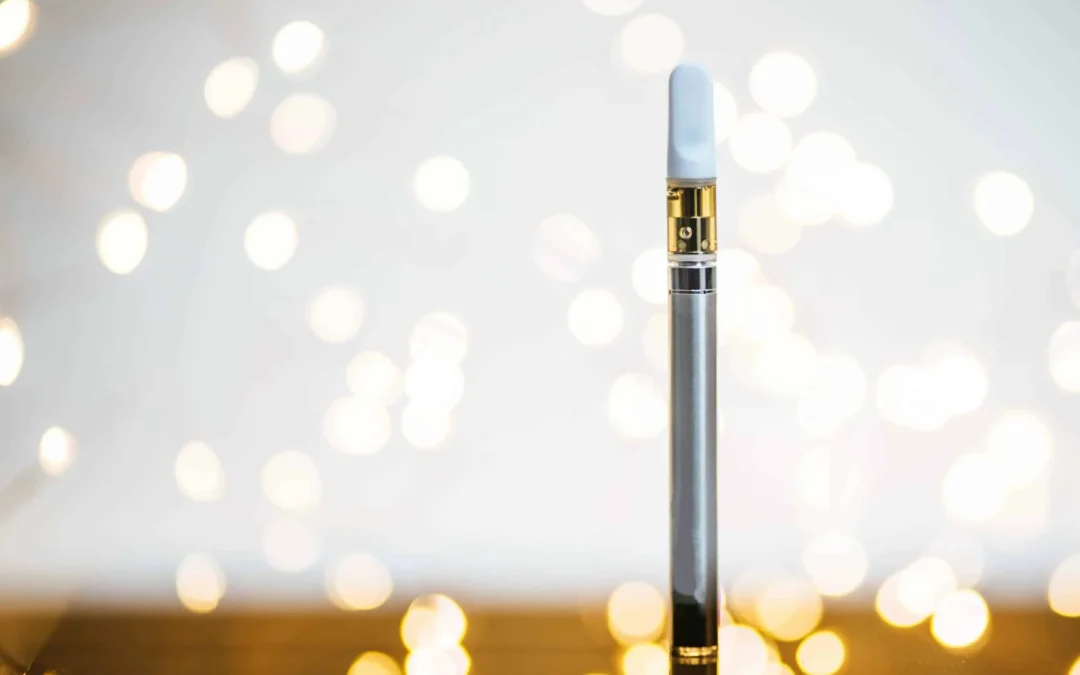
A parallel drug market has grown up beside legal cannabis, and it is built entirely out of hemp. Compounds with names such as Delta-8, HHC, and THC-O deliver a psychoactive hit similar to traditional marijuana, and they can be made cheaply from hemp, which is federally legal in the US. That places them in a regulatory loophole, which is why some companies sell them untaxed and unregulated, even in states where marijuana isn’t legal. New research from cannabis data firm Brightfield Group puts the total at almost $2 billion of these products sold over the last two years, alongside real concerns about contaminants and side effects such as seizures and lung injury.
Where the Cannabinoid Boom Came From
The timing has been brutal for licensed operators. Small players were already failing under competition from the black market, which can sell cheaper products that aren’t taxed or regulated. The synthetics add another layer of pressure, and some struggling businesses are responding by selling the hemp derivatives themselves, despite a lack of safety testing.
Regulators have not managed to contain it. State efforts to quash the market have failed since it took off with the explosion of Delta-8 products around two years ago. Testing commissioned by Bloomberg News found heavy metals and other contaminants in Delta-8, and more than a dozen states have banned Delta-8 and other hemp-derived psychoactive substances.
Even Licensed Brands Are Selling Them
The line between the two markets is blurring. Popular brands that sell licensed cannabis have begun selling the hemp-derived synthetic drugs, including Cookies, one of the best-known US brands, who recently opened a flagship store in Manhattan’s Herald Square. The company’s website advertises Delta-8 and HHC products as “fully psychoactive” and “federally legal” items it can ship straight to customers.
Delta-8 dominates the category, making up about half of the $2 billion in sales, according to Brightfield. Synthetic hemp-derived Delta-9 is about 13% of the market, HHC is 12%, Delta-10 is 8%, and THC-O is 8%, according to a spokeswoman for the research firm.
Licensed cannabis is not the only casualty; Brightfield noted the competition is hitting CBD products too. It estimates that 30% of cannabis users and 35% of cannabis users have tried a psychoactive hemp product. The chemistry varies across the category: some of these compounds, such as Delta-9 and Delta-10, exist naturally in the cannabis plant, while others are novel compounds, making them more akin to synthetic drugs such as K2 and Spice that have existed since 2008. Both of those drugs can cause seizures and death, according to the US Centers for Disease Control and Prevention.
What makes this category difficult is not any single compound but the gap it occupies. These products are sold untaxed and unregulated through a loophole, they are squeezing the legal market, and the safety questions around them remain open. State bans have not stopped the sales, which leaves the burden on regulators to close the gap before consumers absorb the cost.