Autumn’s arrival means Harvest 2022 is here for the cannabis industry, a season that’s normally a high point for marijuana enthusiasts. This year, though, it may bring more setbacks than usual. Improper growing procedures, regulatory missteps, and everything in between can all send a cannabis product sideways. This article walks through everything that can go wrong with marijuana, from cultivation all the way to the shelf.
How Can You Tell If Your Weed Meets the Standard?
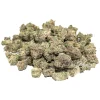
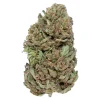
Growing the best cannabis is one challenge on its own, but growing great cannabis every single time requires consistent drying and curing of the buds. According to High Times, if your cannabis flower is dried and cured correctly, you should hear an audible snap when breaking the stems no more than an eighth of an inch below the buds. If you have enjoyed enough marijuana, you should know visually that the sticky THC filled resin coating the buds is a fantastic indicator to let you know that is worth smoking. On top of that, the pungent aroma from the weed should also be instantly filling the air.
There’s a lot more nuance to spotting properly dried and cured cannabis than that alone. Beyond drying and curing, there’s a whole set of other failure points scattered throughout the supply chain worth understanding too.
The Growers
Cultivating marijuana may be the most important step in the entire cannabis supply chain. For five months, growers are tasked with carefully producing the best cannabis they can with their given growing conditions and resources. At any point, anything can go wrong, from having pests in an outdoor grow, to experiencing power outages at an indoor grow, no cannabis plant is safe from external variables. Furthermore, with the high tax rates in many legalized states, some of the grown weed will never even see the shelves as the demand for legal marijuana is eclipsed by black market sales.
Indoor growing techniques have also come a long way for farmers nationwide — enough so that average indoor and outdoor marijuana out of states like Ohio and Oklahoma now outpaces the lower-tier indoor and outdoor flower grown in California.
The Distros
Ditribution companies may also be at fault for providing a poor quality product. In some cases, cannabis companies may have the luxury of vertically integrating their entire supply chain from seed to sale. This allows them to have full control over their products, and ensure consistency throughout every step. This is not the case for all companies. Growers that are just starting out may have to work with a third party distribution company to promote their bran in the market. In such cases, the cultivators lose quality control over their products, and are at the mercy of how well the third party companies can handle the goods.
Shipping adds another layer of risk. Cannabis transportation companies don’t all handle client packages the same way, so how carefully your products get shipped and sealed can differ a great deal from one carrier to the next.
The Dispensaries
Even if the distribution and transportation companies are able to bring their cannabis products in a way where their quality remains in tact, the shelves at the dispensaries may not provide the same preservation. Many if not all cannabis products require cooler temperatures to prolong their shelf life. Older product beyond 60 days after harvest are the ones you need to be truly careful of.
Conclusion
Cannabis that sits around too long before being consumed isn’t going to be in peak condition. The longer it waits, the greater the risk of contamination creeping in. Sunlight exposure can also shift the potency or cannabinoid makeup entirely, giving you a very different experience than the one you were expecting. If that altered experience happens to be what you’re after, that’s your call — we just wanted to make sure you know how to spot fresh, well-preserved buds.